Buy bremsen.eu ?
We are moving the project
bremsen.eu .
Are you interested in purchasing the domain
bremsen.eu ?
domain@kv-gmbh.de · 0541-91531010
Buy bremsen.eu ?
Should one continue driving despite worn brake pads and brake discs?
No, it is not safe to continue driving with worn brake pads and brake discs. Worn brake pads and discs can reduce the effectiveness of the braking system, leading to longer stopping distances and potentially causing a dangerous situation on the road. It is important to replace worn brake pads and discs promptly to ensure the safety of yourself and others on the road. **
Does a TÜV inspector also check brake pads and brake discs?
Yes, a TÜV inspector does check brake pads and brake discs during a vehicle inspection. The inspector will visually inspect the brake pads and discs for wear and damage, and may also measure the thickness of the brake pads and the condition of the brake discs. This is an important part of the inspection to ensure that the vehicle's braking system is in good working condition and meets safety standards. If any issues are found with the brake pads or discs, the inspector will advise the vehicle owner to have them replaced. **
Similar search terms for Inspection
Top-Angebote
Products related to Inspection:
-
Uplifted Finds Diagnostic 365nm UV Clinical Inspection Hub Diagnostic 365nm UV Clinical Inspection HubEnsure the dermatological integrity of your pet with the Clinical Inspection Hub, a professionalgrade diagnostic module engineered with 365nm UVspectrum logic. This highperformance device features a specialized Black Mirror filter technology...90,97 $*Shipping: 0,00 $Secure redirect to the provider
-
ROOKS OK-03.3038 Inspection LampLuminous Flux [lm]: 800; Battery: Li-Ion Rechargeable Battery; Rechargeable Battery Voltage [V]: 3.7; Battery Capacity [mAh]: 4000 ; Tilt angle [degree]: 360; Features: magnetic; Light Design: LED; Luminous in boost mode [lm]: 1200; Luminous in Eco mode [lm]: 500; Runtime [hrs.]: 4; Plug Type: USB type-C32,99 £*Shipping: 8,45 £Secure redirect to the provider


-
Do the brake discs and brake pads need to be replaced?
The need to replace brake discs and brake pads depends on their condition. If the brake pads are worn down to a thickness of 3mm or less, or if the brake discs are warped, scored, or have a thickness below the manufacturer's recommended minimum, then they should be replaced. Additionally, if there are any signs of brake pulsation, squealing, or grinding, it may indicate the need for replacement. It is important to have a professional mechanic inspect the brakes to determine if replacement is necessary for safe and efficient braking. **
-
Can the brake discs rust so badly after 86190 km that my car fails the TÜV inspection?
Yes, it is possible for brake discs to rust badly after 86190 km, especially if the car has been exposed to harsh environmental conditions or has not been maintained properly. If the rust on the brake discs is severe enough to affect their performance, it could cause the car to fail the TÜV inspection due to safety concerns. It is important to regularly inspect and maintain the brake system to prevent excessive rusting and ensure the safety of the vehicle. **
-
Where is the problem when you have issues with self-drilled brake discs during the TÜV inspection?
The problem with self-drilled brake discs during the TÜV inspection is that they may not meet the required safety standards. Self-drilled brake discs may not have been drilled properly, leading to potential structural weaknesses or imbalances that could compromise braking performance and safety. Additionally, the TÜV inspection may also consider the material used for the drilling and whether it meets the necessary specifications for heat resistance and durability. Therefore, issues with self-drilled brake discs during the TÜV inspection typically arise from concerns about safety and compliance with regulations. **
-
Can the brake discs rust so severely after 86190 km that my car fails the TÜV inspection?
It is possible for brake discs to rust severely after 86190 km, especially if the car has been exposed to harsh environmental conditions or has not been driven regularly. Severe rust on the brake discs can affect their performance and safety, potentially causing the car to fail the TÜV inspection. It is important to regularly inspect and maintain the brake discs to prevent excessive rusting and ensure the safety of the vehicle. **


What is the difference between brake pads and brake discs from different manufacturers?
The main difference between brake pads and brake discs from different manufacturers lies in the materials and manufacturing processes used. Different manufacturers may use different types of friction materials for brake pads, which can affect their performance, durability, and noise levels. Similarly, brake discs from different manufacturers may be made of different materials, such as cast iron, composite materials, or carbon-ceramic, which can impact their heat resistance, wear characteristics, and overall braking performance. Additionally, the manufacturing processes and quality control standards can vary between manufacturers, leading to differences in the overall quality and reliability of the brake pads and discs. **
Is it possible to use brake discs and brake pads from other manufacturers?
Yes, it is possible to use brake discs and brake pads from other manufacturers as long as they are compatible with the specific make and model of the vehicle. It is important to ensure that the dimensions, materials, and specifications of the brake components match the requirements of the vehicle. Using compatible aftermarket brake components can offer different performance characteristics and may be more cost-effective than original equipment manufacturer (OEM) parts. However, it is important to research and ensure that the aftermarket parts meet safety and quality standards. **
Top-Angebote
Products related to Inspection:
-
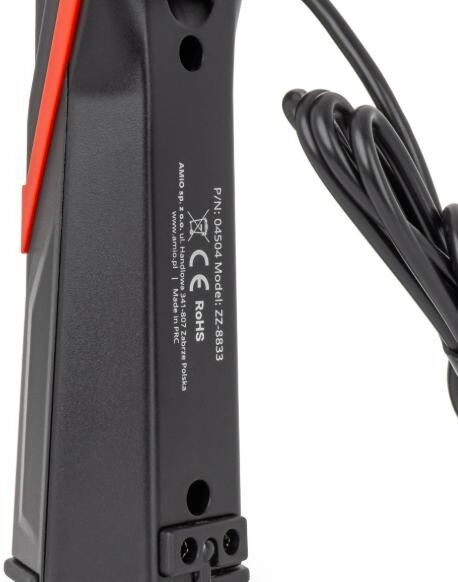
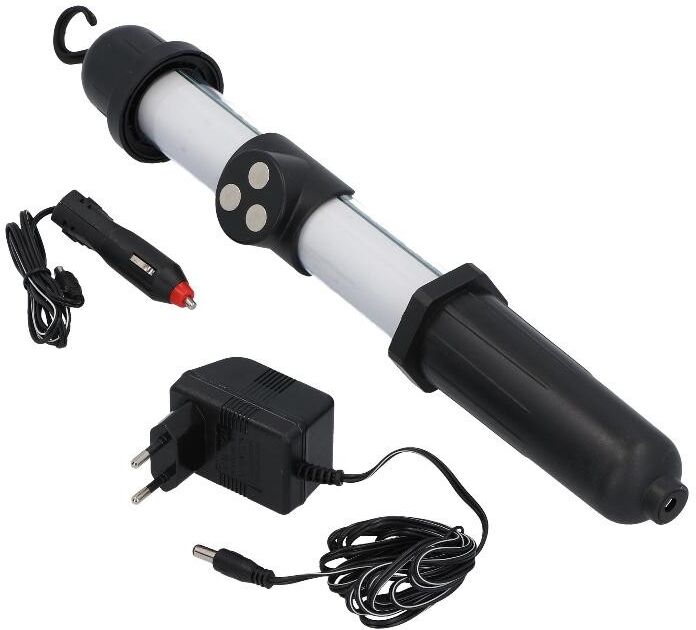
AMiO 04504 Inspection LampBattery: Li-Ion Rechargeable Battery; Features: with rechargeable battery, with charger, magnetic, with hook; Lamp Type: LED; Rechargeable Battery Voltage [V]: 3.7; Light Duration [h]: 2-12; Charging time [h]: 3.5-4; Luminous Flux [lm]: 600, 300, 100; Operating Mode: Battery; Battery Capacity [mAh]: 2600; Mounting Type: Magnet Mount; Cable Length [m]: 0.6; Shock Resistance (IK code): IK07 (up to 2.0J); Connectors/Plugs: USB type-C; Rotation angle [°]: 360; Material: ABS (Acrylonitrile-Butadiene-Styrene Copolymerisate); Protection Type (IP Code): IP2019,99 £*Shipping: 8,45 £Secure redirect to the provider
-
ENERGY NE00356 Inspection LampLamp Type: LED; Candlepower [cd]: 13; Voltage [V]: 7.2; Battery Capacity [mAh]: 700; Moisture protection: with splash-water protection; Rechargeable Battery Type: Li-Ion Rechargeable Battery; Number of LEDs: 60+1; Light Duration [h]: 4; Mains voltage (AC) [V]: 230; DC Voltage [V]: 12; Fastening Type: Hook fixing; Supplementary Article / Supplementary Info Info 2: Magnetic12,49 £*Shipping: 8,45 £Secure redirect to the provider
-
Uplifted Finds Diagnostic 365nm UV Clinical Inspection Hub Diagnostic 365nm UV Clinical Inspection HubEnsure the dermatological integrity of your pet with the Clinical Inspection Hub, a professionalgrade diagnostic module engineered with 365nm UVspectrum logic. This highperformance device features a specialized Black Mirror filter technology...90,97 $*Shipping: 0,00 $Secure redirect to the provider
-
ROOKS OK-03.3038 Inspection LampLuminous Flux [lm]: 800; Battery: Li-Ion Rechargeable Battery; Rechargeable Battery Voltage [V]: 3.7; Battery Capacity [mAh]: 4000 ; Tilt angle [degree]: 360; Features: magnetic; Light Design: LED; Luminous in boost mode [lm]: 1200; Luminous in Eco mode [lm]: 500; Runtime [hrs.]: 4; Plug Type: USB type-C32,99 £*Shipping: 8,45 £Secure redirect to the provider
-
Should one continue driving despite worn brake pads and brake discs?
No, it is not safe to continue driving with worn brake pads and brake discs. Worn brake pads and discs can reduce the effectiveness of the braking system, leading to longer stopping distances and potentially causing a dangerous situation on the road. It is important to replace worn brake pads and discs promptly to ensure the safety of yourself and others on the road. **
-
Does a TÜV inspector also check brake pads and brake discs?
Yes, a TÜV inspector does check brake pads and brake discs during a vehicle inspection. The inspector will visually inspect the brake pads and discs for wear and damage, and may also measure the thickness of the brake pads and the condition of the brake discs. This is an important part of the inspection to ensure that the vehicle's braking system is in good working condition and meets safety standards. If any issues are found with the brake pads or discs, the inspector will advise the vehicle owner to have them replaced. **
-
Do the brake discs and brake pads need to be replaced?
The need to replace brake discs and brake pads depends on their condition. If the brake pads are worn down to a thickness of 3mm or less, or if the brake discs are warped, scored, or have a thickness below the manufacturer's recommended minimum, then they should be replaced. Additionally, if there are any signs of brake pulsation, squealing, or grinding, it may indicate the need for replacement. It is important to have a professional mechanic inspect the brakes to determine if replacement is necessary for safe and efficient braking. **
-
Can the brake discs rust so badly after 86190 km that my car fails the TÜV inspection?
Yes, it is possible for brake discs to rust badly after 86190 km, especially if the car has been exposed to harsh environmental conditions or has not been maintained properly. If the rust on the brake discs is severe enough to affect their performance, it could cause the car to fail the TÜV inspection due to safety concerns. It is important to regularly inspect and maintain the brake system to prevent excessive rusting and ensure the safety of the vehicle. **
Similar search terms for Inspection
-
Multisell Products Hub Visual Mouth Camera WIFI Endoscope Waterproof Inspection Tool Visual Mouth Camera WIFI Endoscope Waterproof Inspection ToolUncover the hidden details of your mouth with the Visual Mouth Camera WIFI Endoscope. This powerful yet compact tool is designed for those who need a reliable solution for oral inspection, whether you're a dentist, healthcare provider, or simply...81,97 $*Shipping: 0,00 $Secure redirect to the provider
-
Uplift Picks Magnetic Telescopic Pickup Tool With Inspection Mirror And Flashlight Magnetic Telescopic Pickup Tool With Inspection Mirror And FlashlightNever struggle to reach tight or hidden spaces again. This magnetic telescopic pickup tool is designed to help you retrieve small metal items, inspect hardtosee areas, and work more efficiently. Featuring extendable reach, interchangeable round and...34,50 $*Shipping: 0,00 $Secure redirect to the provider
-
Where is the problem when you have issues with self-drilled brake discs during the TÜV inspection?
The problem with self-drilled brake discs during the TÜV inspection is that they may not meet the required safety standards. Self-drilled brake discs may not have been drilled properly, leading to potential structural weaknesses or imbalances that could compromise braking performance and safety. Additionally, the TÜV inspection may also consider the material used for the drilling and whether it meets the necessary specifications for heat resistance and durability. Therefore, issues with self-drilled brake discs during the TÜV inspection typically arise from concerns about safety and compliance with regulations. **
-
Can the brake discs rust so severely after 86190 km that my car fails the TÜV inspection?
It is possible for brake discs to rust severely after 86190 km, especially if the car has been exposed to harsh environmental conditions or has not been driven regularly. Severe rust on the brake discs can affect their performance and safety, potentially causing the car to fail the TÜV inspection. It is important to regularly inspect and maintain the brake discs to prevent excessive rusting and ensure the safety of the vehicle. **
-
What is the difference between brake pads and brake discs from different manufacturers?
The main difference between brake pads and brake discs from different manufacturers lies in the materials and manufacturing processes used. Different manufacturers may use different types of friction materials for brake pads, which can affect their performance, durability, and noise levels. Similarly, brake discs from different manufacturers may be made of different materials, such as cast iron, composite materials, or carbon-ceramic, which can impact their heat resistance, wear characteristics, and overall braking performance. Additionally, the manufacturing processes and quality control standards can vary between manufacturers, leading to differences in the overall quality and reliability of the brake pads and discs. **
-
Is it possible to use brake discs and brake pads from other manufacturers?
Yes, it is possible to use brake discs and brake pads from other manufacturers as long as they are compatible with the specific make and model of the vehicle. It is important to ensure that the dimensions, materials, and specifications of the brake components match the requirements of the vehicle. Using compatible aftermarket brake components can offer different performance characteristics and may be more cost-effective than original equipment manufacturer (OEM) parts. However, it is important to research and ensure that the aftermarket parts meet safety and quality standards. **
* All prices are inclusive of VAT and, if applicable, plus shipping costs. The offer information is based on the details provided by the respective shop and is updated through automated processes. Real-time updates do not occur, so deviations can occur in individual cases. ** Note: Parts of this content were created by AI.