Buy bremsen.eu ?
We are moving the project
bremsen.eu .
Are you interested in purchasing the domain
bremsen.eu ?
domain@kv-gmbh.de · 0541-91531010
Buy bremsen.eu ?
How do brake discs wear out?
Brake discs wear out due to the friction generated when the brake pads press against them to slow down or stop the vehicle. Over time, this friction causes the brake discs to gradually wear down, leading to a decrease in thickness. Factors such as driving habits, road conditions, and the quality of the brake components can also affect the rate at which brake discs wear out. Eventually, the brake discs may become too thin or develop grooves and cracks, requiring replacement to ensure safe braking performance. **
Are the brake discs worn out?
To determine if the brake discs are worn out, you can visually inspect them for any signs of damage or excessive wear. Look for deep grooves, cracks, or uneven wear on the surface of the discs. Additionally, listen for any unusual noises when applying the brakes, such as grinding or squealing, which could indicate worn brake discs. If you notice any of these signs, it may be time to have the brake discs inspected and potentially replaced by a professional mechanic. **

Similar search terms for Out
Top-Angebote
Products related to Out:
-
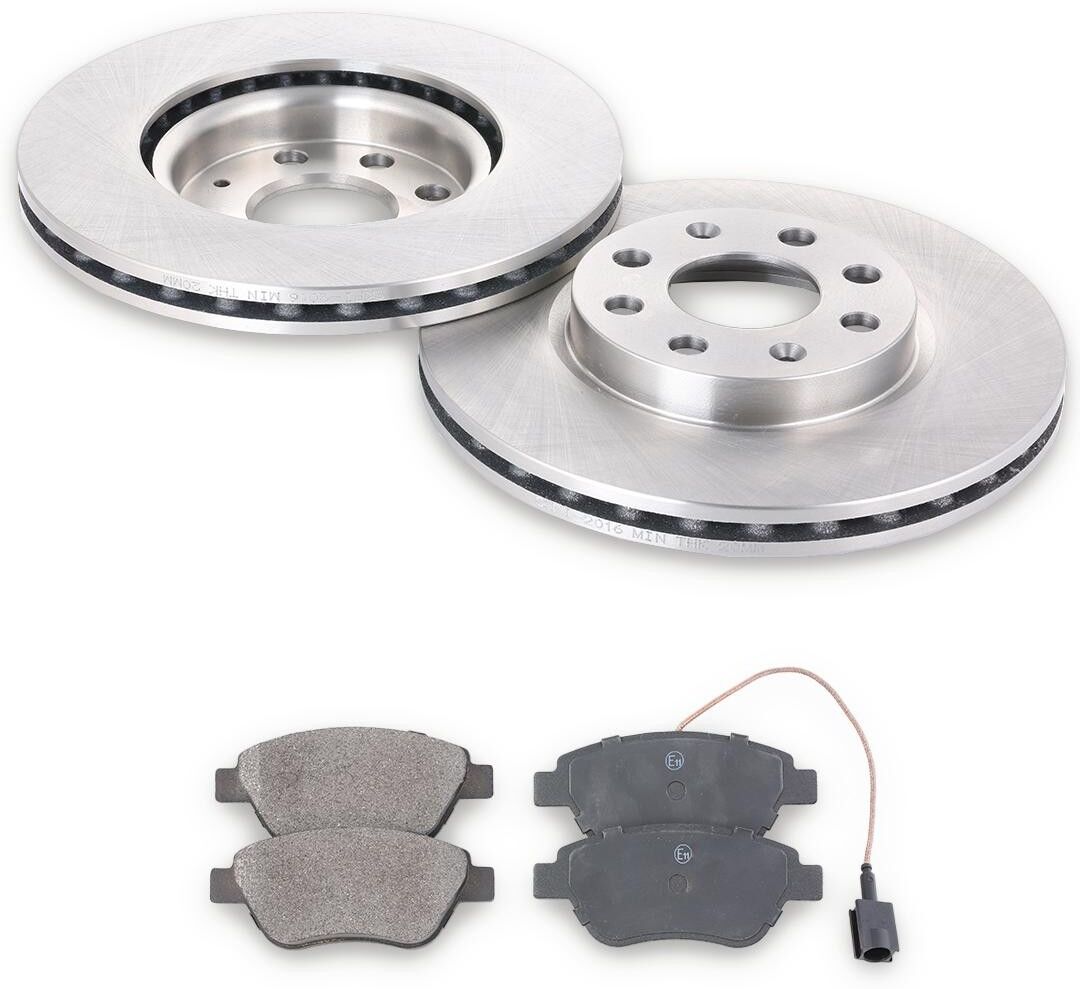
RIDEX 3405B0112 Brake discs and pads setBrake Disc Type: Vented; Fitting Position: Front Axle; Brake Disc Thickness: 22; Outer Diameter [mm]: 284; Number of Holes: 4; Wear Warning Contact: incl. wear warning contact; Number of wear indicators [per axle]: 1; Multi-piece: Multi-piece; Quantity Unit: Set; Construction Year from: 11/200460,63 £*Shipping: 8,45 £Secure redirect to the provider
-
RIDEX 3405B0214 Brake discs and pads setFitting Position: Rear Axle; Wear Warning Contact: with acoustic wear warning; Number of wear indicators [per axle]: 2; Quantity Unit: Axle Set; Multi-piece: Multi-piece; usable for vehicles to construction year: 2016/11; Supplementary Article / Supplementary Info Info 2: with brake pads; Brake Disc Type: solid; Outer Diameter [mm]: 268; Brake Disc Thickness: 12; Rim Hole Number: 5; Bolt Hole Circle Ø [mm]: 105; Supplementary Article / Supplementary Info: Photo corresponds to scope of supply; Minimum thickness [mm]: 10; Rim Size [inch]: 1549,02 £*Shipping: 8,45 £Secure redirect to the provider
-
RIDEX 3405B0113 Brake discs and pads setBrake Disc Type: Vented; Fitting Position: Front Axle; Brake Disc Thickness: 24; Outer Diameter [mm]: 281; Number of Holes: 4; Wear Warning Contact: with acoustic wear warning; Multi-piece: Multi-piece; Quantity Unit: Set; Construction Year from: 07/2000, 09/1997, 03/1999; Construction Year to: 04/200447,02 £*Shipping: 8,45 £Secure redirect to the provider
-
RIDEX 3405B0267 Brake discs and pads setBrake Disc Type: solid; Fitting Position: Rear Axle; Outer Diameter [mm]: 280; Brake Disc Thickness: 16; Number of Holes: 5; Number of wear indicators [per axle]: 1; Quantity Unit: Set; Multi-piece: Multi-piece; Tyres: with dual tyres79,17 £*Shipping: 8,45 £Secure redirect to the provider


-
Should one continue driving despite worn brake pads and brake discs?
No, it is not safe to continue driving with worn brake pads and brake discs. Worn brake pads and discs can reduce the effectiveness of the braking system, leading to longer stopping distances and potentially causing a dangerous situation on the road. It is important to replace worn brake pads and discs promptly to ensure the safety of yourself and others on the road. **
-
Does a TÜV inspector also check brake pads and brake discs?
Yes, a TÜV inspector does check brake pads and brake discs during a vehicle inspection. The inspector will visually inspect the brake pads and discs for wear and damage, and may also measure the thickness of the brake pads and the condition of the brake discs. This is an important part of the inspection to ensure that the vehicle's braking system is in good working condition and meets safety standards. If any issues are found with the brake pads or discs, the inspector will advise the vehicle owner to have them replaced. **
-
Do the brake discs and brake pads need to be replaced?
The need to replace brake discs and brake pads depends on their condition. If the brake pads are worn down to a thickness of 3mm or less, or if the brake discs are warped, scored, or have a thickness below the manufacturer's recommended minimum, then they should be replaced. Additionally, if there are any signs of brake pulsation, squealing, or grinding, it may indicate the need for replacement. It is important to have a professional mechanic inspect the brakes to determine if replacement is necessary for safe and efficient braking. **
-
How can I recognize worn-out brake pads?
You can recognize worn-out brake pads by paying attention to certain signs such as squeaking or squealing noises when you apply the brakes, a grinding sound indicating metal-to-metal contact, reduced braking responsiveness, a vibrating or pulsating brake pedal, or a longer stopping distance. Additionally, visually inspecting the brake pads through the wheel spokes can also help you determine their condition. If you notice any of these signs, it is important to have your brake pads inspected and replaced by a professional mechanic to ensure your safety on the road. **


How do I recognize worn-out brake pads?
You can recognize worn-out brake pads by paying attention to several signs. One common indicator is a high-pitched squealing or grinding noise when you apply the brakes. Additionally, if you notice reduced braking performance, such as longer stopping distances or a spongy brake pedal, it could be a sign of worn brake pads. Visual inspection of the brake pads through the wheel spokes can also help determine their condition - if the pads appear thin or unevenly worn, they likely need to be replaced. **
How can I find out how many pistons my brake calipers have?
To find out how many pistons your brake calipers have, you can start by looking up the specific make and model of your vehicle online. You can also consult your vehicle's owner's manual or contact the manufacturer directly for this information. Additionally, you can visually inspect your brake calipers by looking through the wheel spokes to see how many pistons are visible on each caliper. **
Top-Angebote
Products related to Out:
-
RIDEX 3405B0133 Brake discs and pads setFitting Position: Front Axle; Brake Disc Type: Vented; Outer Diameter [mm]: 257; Brake Disc Thickness: 22; Number of Holes: 4; Wear Warning Contact: with integrated wear sensor; Number of wear indicators [per axle]: 1; Quantity Unit: Set; Multi-piece: Multi-piece; Construction Year from: 10/200945,87 £*Shipping: 8,45 £Secure redirect to the provider
-
RIDEX 3405B0112 Brake discs and pads setBrake Disc Type: Vented; Fitting Position: Front Axle; Brake Disc Thickness: 22; Outer Diameter [mm]: 284; Number of Holes: 4; Wear Warning Contact: incl. wear warning contact; Number of wear indicators [per axle]: 1; Multi-piece: Multi-piece; Quantity Unit: Set; Construction Year from: 11/200460,63 £*Shipping: 8,45 £Secure redirect to the provider
-
RIDEX 3405B0214 Brake discs and pads setFitting Position: Rear Axle; Wear Warning Contact: with acoustic wear warning; Number of wear indicators [per axle]: 2; Quantity Unit: Axle Set; Multi-piece: Multi-piece; usable for vehicles to construction year: 2016/11; Supplementary Article / Supplementary Info Info 2: with brake pads; Brake Disc Type: solid; Outer Diameter [mm]: 268; Brake Disc Thickness: 12; Rim Hole Number: 5; Bolt Hole Circle Ø [mm]: 105; Supplementary Article / Supplementary Info: Photo corresponds to scope of supply; Minimum thickness [mm]: 10; Rim Size [inch]: 1549,02 £*Shipping: 8,45 £Secure redirect to the provider
-
How do brake discs wear out?
Brake discs wear out due to the friction generated when the brake pads press against them to slow down or stop the vehicle. Over time, this friction causes the brake discs to gradually wear down, leading to a decrease in thickness. Factors such as driving habits, road conditions, and the quality of the brake components can also affect the rate at which brake discs wear out. Eventually, the brake discs may become too thin or develop grooves and cracks, requiring replacement to ensure safe braking performance. **
-
Are the brake discs worn out?
To determine if the brake discs are worn out, you can visually inspect them for any signs of damage or excessive wear. Look for deep grooves, cracks, or uneven wear on the surface of the discs. Additionally, listen for any unusual noises when applying the brakes, such as grinding or squealing, which could indicate worn brake discs. If you notice any of these signs, it may be time to have the brake discs inspected and potentially replaced by a professional mechanic. **
-
Should one continue driving despite worn brake pads and brake discs?
No, it is not safe to continue driving with worn brake pads and brake discs. Worn brake pads and discs can reduce the effectiveness of the braking system, leading to longer stopping distances and potentially causing a dangerous situation on the road. It is important to replace worn brake pads and discs promptly to ensure the safety of yourself and others on the road. **
-
Does a TÜV inspector also check brake pads and brake discs?
Yes, a TÜV inspector does check brake pads and brake discs during a vehicle inspection. The inspector will visually inspect the brake pads and discs for wear and damage, and may also measure the thickness of the brake pads and the condition of the brake discs. This is an important part of the inspection to ensure that the vehicle's braking system is in good working condition and meets safety standards. If any issues are found with the brake pads or discs, the inspector will advise the vehicle owner to have them replaced. **
Similar search terms for Out
-
RIDEX 3405B0113 Brake discs and pads setBrake Disc Type: Vented; Fitting Position: Front Axle; Brake Disc Thickness: 24; Outer Diameter [mm]: 281; Number of Holes: 4; Wear Warning Contact: with acoustic wear warning; Multi-piece: Multi-piece; Quantity Unit: Set; Construction Year from: 07/2000, 09/1997, 03/1999; Construction Year to: 04/200447,02 £*Shipping: 8,45 £Secure redirect to the provider
-
RIDEX 3405B0267 Brake discs and pads setBrake Disc Type: solid; Fitting Position: Rear Axle; Outer Diameter [mm]: 280; Brake Disc Thickness: 16; Number of Holes: 5; Number of wear indicators [per axle]: 1; Quantity Unit: Set; Multi-piece: Multi-piece; Tyres: with dual tyres79,17 £*Shipping: 8,45 £Secure redirect to the provider
-
RIDEX 3405B0236 Brake discs and pads setFitting Position: Front Axle; Outer Diameter [mm]: 262; Number of Holes: 5; Brake Disc Type: solid; Wear Warning Contact: excl. wear warning contact; Quantity Unit: Set; Multi-piece: Multi-piece; Brake Disc Thickness: 11; Construction Year to: 02/1990, 05/1993; Construction Year from: 09/1983, 05/198547,67 £*Shipping: 8,45 £Secure redirect to the provider
-
RIDEX 3405B0013 Brake discs and pads setBrake Disc Type: solid; Outer Diameter [mm]: 280; Brake Disc Thickness: 11; Number of Holes: 5; Supplementary Article / Supplementary Info Info 2: with anti-squeak plate; Fitting Position: Rear Axle; Quantity Unit: Set; Multi-piece: Multi-piece; Construction Year from: 01/2005, 03/2007, 04/2007, 06/200848,12 £*Shipping: 8,45 £Secure redirect to the provider
-
Do the brake discs and brake pads need to be replaced?
The need to replace brake discs and brake pads depends on their condition. If the brake pads are worn down to a thickness of 3mm or less, or if the brake discs are warped, scored, or have a thickness below the manufacturer's recommended minimum, then they should be replaced. Additionally, if there are any signs of brake pulsation, squealing, or grinding, it may indicate the need for replacement. It is important to have a professional mechanic inspect the brakes to determine if replacement is necessary for safe and efficient braking. **
-
How can I recognize worn-out brake pads?
You can recognize worn-out brake pads by paying attention to certain signs such as squeaking or squealing noises when you apply the brakes, a grinding sound indicating metal-to-metal contact, reduced braking responsiveness, a vibrating or pulsating brake pedal, or a longer stopping distance. Additionally, visually inspecting the brake pads through the wheel spokes can also help you determine their condition. If you notice any of these signs, it is important to have your brake pads inspected and replaced by a professional mechanic to ensure your safety on the road. **
-
How do I recognize worn-out brake pads?
You can recognize worn-out brake pads by paying attention to several signs. One common indicator is a high-pitched squealing or grinding noise when you apply the brakes. Additionally, if you notice reduced braking performance, such as longer stopping distances or a spongy brake pedal, it could be a sign of worn brake pads. Visual inspection of the brake pads through the wheel spokes can also help determine their condition - if the pads appear thin or unevenly worn, they likely need to be replaced. **
-
How can I find out how many pistons my brake calipers have?
To find out how many pistons your brake calipers have, you can start by looking up the specific make and model of your vehicle online. You can also consult your vehicle's owner's manual or contact the manufacturer directly for this information. Additionally, you can visually inspect your brake calipers by looking through the wheel spokes to see how many pistons are visible on each caliper. **
* All prices are inclusive of VAT and, if applicable, plus shipping costs. The offer information is based on the details provided by the respective shop and is updated through automated processes. Real-time updates do not occur, so deviations can occur in individual cases. ** Note: Parts of this content were created by AI.