Buy bremsen.eu ?
We are moving the project
bremsen.eu .
Are you interested in purchasing the domain
bremsen.eu ?
domain@kv-gmbh.de · 0541-91531010
Buy bremsen.eu ?
What is the lifespan of the brake discs on the Mazda 3?
The lifespan of brake discs on a Mazda 3 can vary depending on driving habits, road conditions, and maintenance. Generally, brake discs can last anywhere from 30,000 to 70,000 miles. Regular maintenance, such as checking for wear and tear, and replacing brake pads when necessary, can help extend the lifespan of the brake discs. It's important to have the brake system inspected regularly by a qualified mechanic to ensure safe and reliable braking performance. **
Should one continue driving despite worn brake pads and brake discs?
No, it is not safe to continue driving with worn brake pads and brake discs. Worn brake pads and discs can reduce the effectiveness of the braking system, leading to longer stopping distances and potentially causing a dangerous situation on the road. It is important to replace worn brake pads and discs promptly to ensure the safety of yourself and others on the road. **

Similar search terms for Lifespan
Top-Angebote
Products related to Lifespan:
-
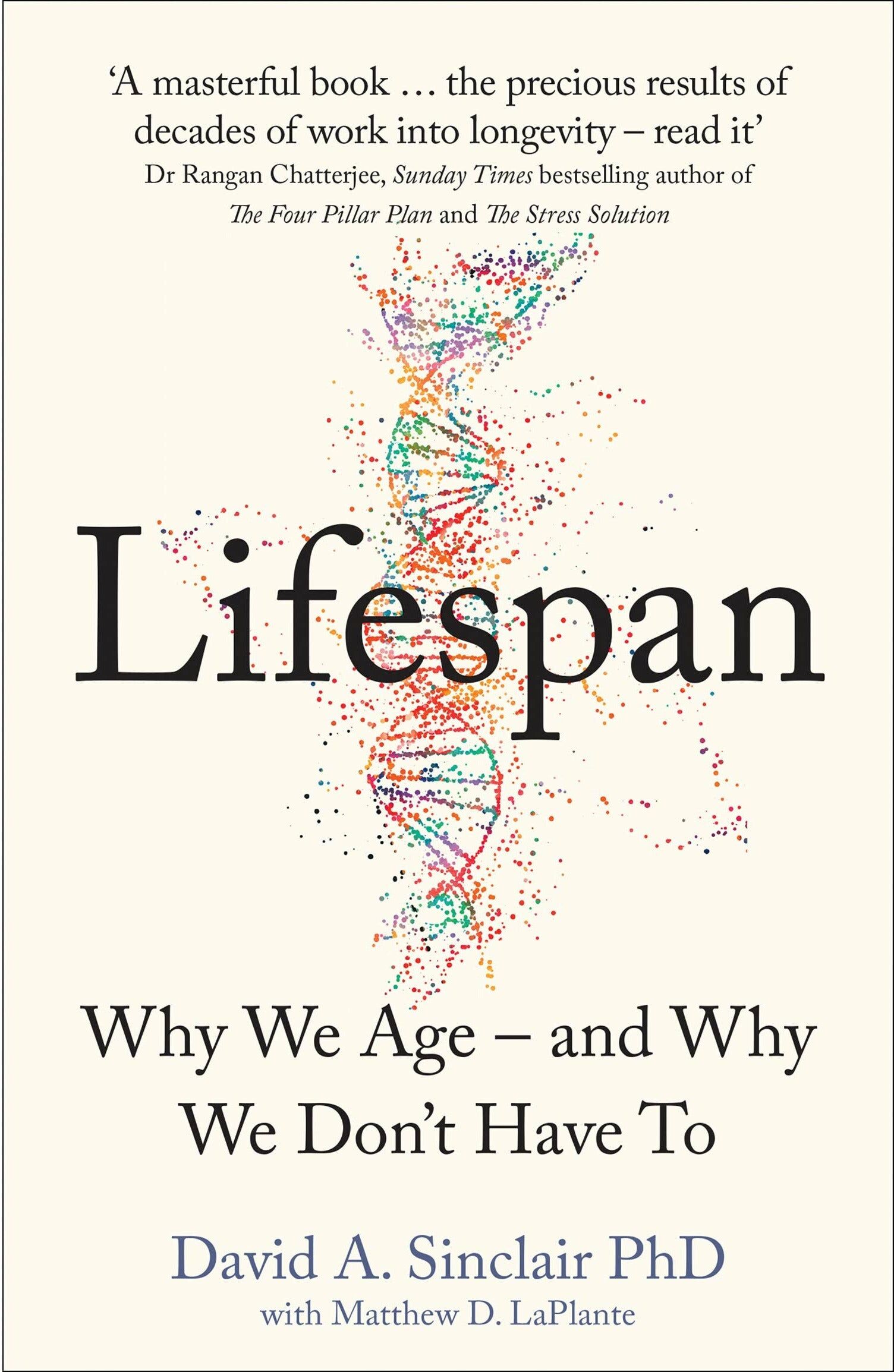
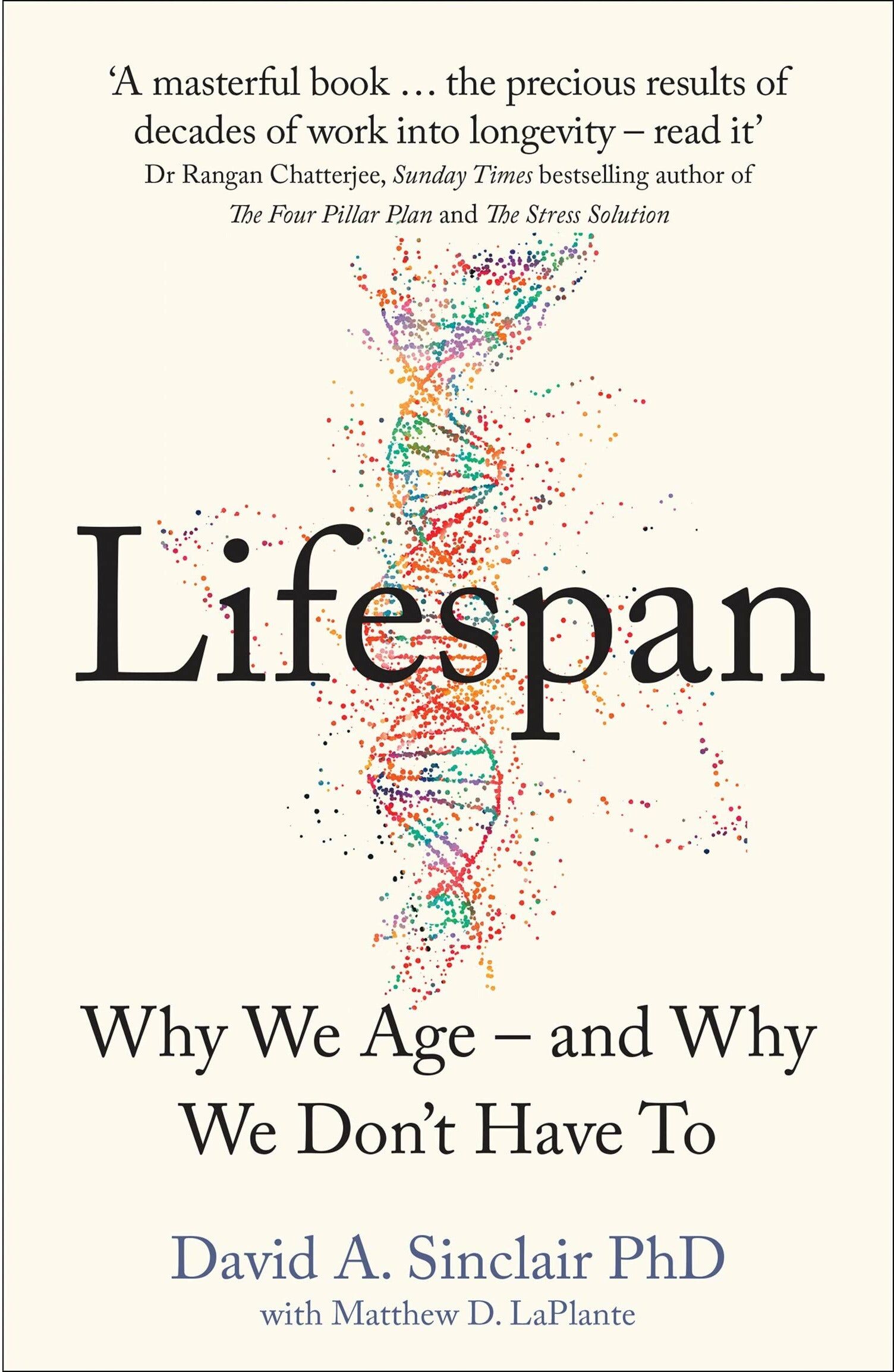
Orion Lifespan & The Telomere Effect 2 Books Collection Set – Healthy Aging & Longevity CollectionLifespan Why We Age and Why We Don’t Have To by Dr David A. Sinclair In this paradigm-shifting book from acclaimed Harvard Medical School doctor and one of TIME magazine’s 100 most influential people on earth, Dr. David Sinclair reveals that everything we think we know about ageing is wrong, and shares the surprising, scientifically-proven methods that can help readers live younger, longer. For decades, the medical community has looked to a variety of reasons for why we age, and the consensus is that no one dies of old age; they die of age-related diseases. That's because ageing is not a disease – it is inevitable. But what if everything you think you know about ageing is wrong? What if ageing is a disease? And that disease is curable. In LIFESPAN, Dr. David Sinclair, one of the world’s foremost authorities on genetics and ageing, argues just that. He has dedicated his life’s work to chasing more than a longer lifespan – he wants to enable people to live longer, healthier, and disease-free well into our hundreds. In this book, he reveals a bold new theory of ageing, one that pinpoints a root cause of ageing that lies in an ancient genetic survival circuit. This genetic trick – a circuit designed to halt reproduction in order to repair damage to the genome –has enabled earth’s early microcosms to survive and evolve into more advanced organisms. But this same survival circuit is the reason we age: as genetic damage accumulates over our lifespans from UV rays, environmental toxins, and unhealthy diets, our genome is overwhelmed, causing gray hair, wrinkles, achy joints, heart issues, dementia, and, ultimately, death. The Telomere Effect: A Revolutionary Approach to Living Younger, Healthier, Longer by Dr Elizabeth Blackburn & Dr Elissa Epel A ground breaking book on the history of Telomeres offering fresh advice on how to slow down aging and lengthen life. Nobel prize winning Doctor Elizabeth Blackburn and leading health psychologist Dr Elissa Epel have discovered biological markers called Telomeres which can help to understand how healthy our cells are and what we can do to improve them. The book specifically looks ideas including; how biological age is not chronological age; a biological basis for the mind-body connection, how sleep and diet can affect telomeres and shockingly how mothers who are highly stressed during pregnancy have children with shorter telomeres. It also offers tools and advice on how to determine cellular age and telomere health. Doctor Elizabeth Blackburn was awarded the Nobel Prize in Physiology or Medicine in 2009 for her discovery of telomeres and their role in the ageing process and has previously been named in TIME magazine's 100 Most Influential People. Dr. Elissa Epel is a leading health psychologist who has conducted pioneering research uncovering the psychobiological mechanisms related to how stress ages us and compromises our health-from emotional eating to unhealthy storage of abdominal fat to telomere shortening.9,99 £*Shipping: 2,99 £Secure redirect to the provider
-
iSpring FPCM100 All-in-One Water Filter Replacement for RCD100SPKHC Sparkling RO Water Maker, 12-Month LifespanAll-in-One Multi-Stage Technology - Composite cartridge that integrates multiple filtration stages (PP sediment, activated carbon fiber, Reverse Osmosis membrane, and granular activated carbon) into a single unit.109,41 $*Shipping: 0,00 $Secure redirect to the provider
-
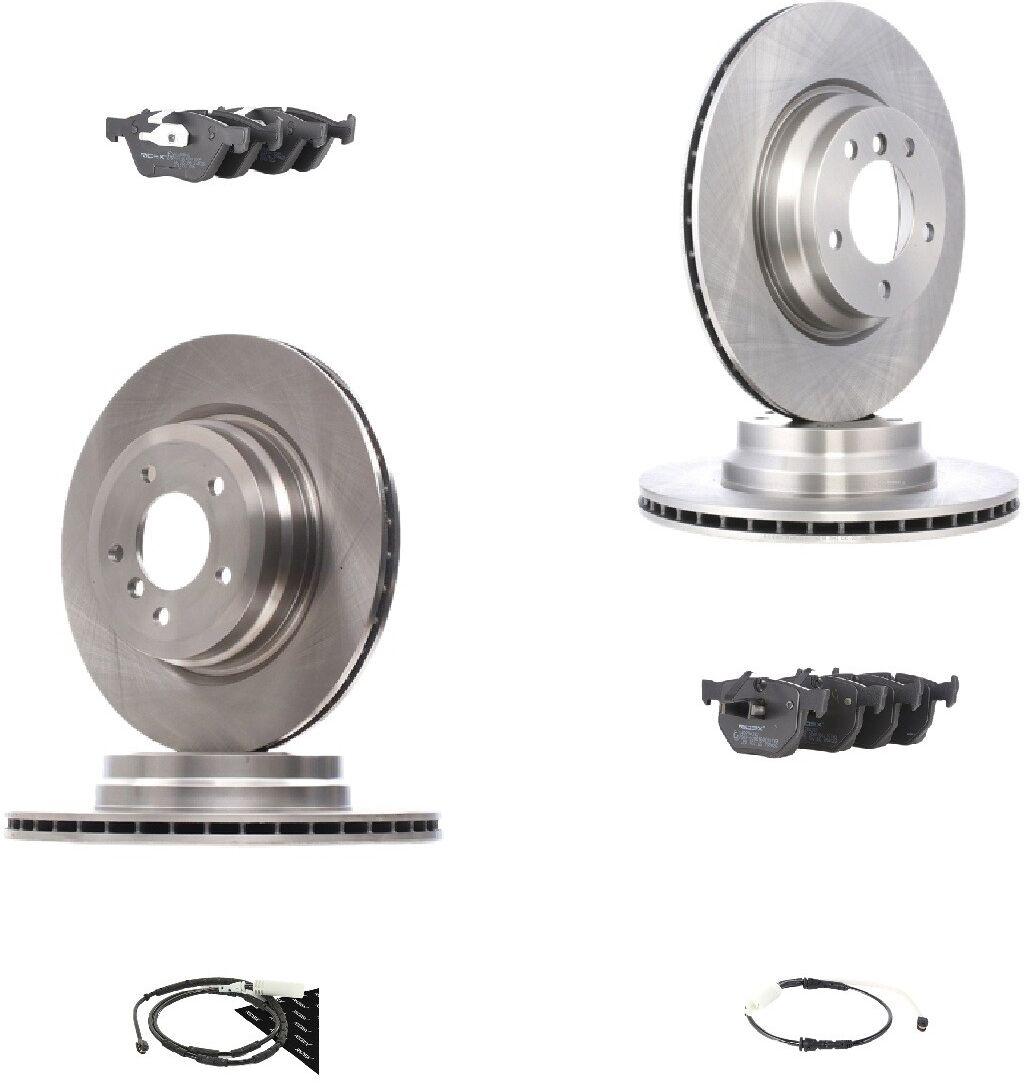
RIDEX 3405B4137 Brake discs and pads setFitting Position: Front Axle, Rear Axle; Thickness: 17,2, 18; Width [mm]: 95,3, 132; Brake Disc Type: Vented, solid; Brake Disc Thickness: 22, 10; Height 1 [mm]: 45, 72; Number of Holes: 5/6; Centering Diameter [mm]: 79; Bolt Hole Circle Ø [mm]: 120; Wear Warning Contact: prepared for wear warning indicator; Outer Diameter [mm]: 280115,21 £*Shipping: 1,99 £Secure redirect to the provider
-
RIDEX 3405B4140 Brake discs and pads setFitting Position: Front Axle, Rear Axle; Thickness: 17; Width [mm]: 63,6, 123; Brake Disc Type: Vented; Number of wear indicators [per axle]: 1; Brake Disc Thickness: 24, 22; Outer Diameter [mm]: 330, 336; Number of Holes: 5/6; Centering Diameter [mm]: 79, 75; Bolt Hole Circle Ø [mm]: 120; Wear Warning Contact: prepared for wear warning indicator; Thickness 1 [mm]: 20166,71 £*Shipping: 1,99 £Secure redirect to the provider


-
Does a TÜV inspector also check brake pads and brake discs?
Yes, a TÜV inspector does check brake pads and brake discs during a vehicle inspection. The inspector will visually inspect the brake pads and discs for wear and damage, and may also measure the thickness of the brake pads and the condition of the brake discs. This is an important part of the inspection to ensure that the vehicle's braking system is in good working condition and meets safety standards. If any issues are found with the brake pads or discs, the inspector will advise the vehicle owner to have them replaced. **
-
Do the brake discs and brake pads need to be replaced?
The need to replace brake discs and brake pads depends on their condition. If the brake pads are worn down to a thickness of 3mm or less, or if the brake discs are warped, scored, or have a thickness below the manufacturer's recommended minimum, then they should be replaced. Additionally, if there are any signs of brake pulsation, squealing, or grinding, it may indicate the need for replacement. It is important to have a professional mechanic inspect the brakes to determine if replacement is necessary for safe and efficient braking. **
-
Is the lifespan of carbon-ceramic brake discs for sports cars significantly higher than that of conventional cast iron brake discs, even though they are extremely expensive?
Yes, the lifespan of carbon-ceramic brake discs for sports cars is significantly higher than that of conventional cast iron brake discs. Carbon-ceramic brake discs are known for their exceptional durability and heat resistance, making them ideal for high-performance vehicles. While they are indeed expensive, their longevity and superior performance make them a worthwhile investment for sports car owners who prioritize safety and performance. Overall, the extended lifespan of carbon-ceramic brake discs justifies their higher cost for those who demand the best performance from their sports cars. **
-
Is the lifespan of carbon-ceramic brake discs in sports cars significantly higher than that of conventional cast iron brake discs, even though they are extremely expensive?
Yes, the lifespan of carbon-ceramic brake discs in sports cars is significantly higher than that of conventional cast iron brake discs. Carbon-ceramic discs are known for their superior durability and heat resistance, making them ideal for high-performance vehicles. While they are indeed expensive, their longevity and performance benefits make them a worthwhile investment for sports car owners who prioritize top-notch braking performance and longevity. **


What is the lifespan of galvanized pipes for water lines?
The lifespan of galvanized pipes for water lines can vary depending on factors such as water quality, usage, and environmental conditions. On average, galvanized pipes can last anywhere from 40 to 70 years. However, in areas with corrosive water or high usage, the lifespan may be shorter. It's important to monitor the condition of galvanized pipes and consider replacing them if signs of corrosion or deterioration are present to prevent potential water leaks or contamination. **
What is the difference between brake pads and brake discs from different manufacturers?
The main difference between brake pads and brake discs from different manufacturers lies in the materials and manufacturing processes used. Different manufacturers may use different types of friction materials for brake pads, which can affect their performance, durability, and noise levels. Similarly, brake discs from different manufacturers may be made of different materials, such as cast iron, composite materials, or carbon-ceramic, which can impact their heat resistance, wear characteristics, and overall braking performance. Additionally, the manufacturing processes and quality control standards can vary between manufacturers, leading to differences in the overall quality and reliability of the brake pads and discs. **
Top-Angebote
Products related to Lifespan:
-
HARPERCOLLINS Lifespan: Why We Age and Why We Dont Have ToLifespan - Why We Age and Why We Dont Have To Description In this paradigm-shifting book from acclaimed Harvard Medical School doctor and one of TIME magazine's 100 most influential people on earth; Dr. David Sinclair reveals that everything we think we know about ageing is wrong; and shares the surprising; scientifically-proven methods that can help readers live younger; longer. For decades; the medical community has looked to a variety of reasons for why we age; and the consensus is that no one dies of old age; they die of age-related diseases. That's because ageing is not a disease - it is inevitable. But what if everything you think you know about ageing is wrong?What if ageing is a disease? And that disease is curable. In LIFESPAN; Dr. David Sinclair; one of the world's foremost authorities on genetics and ageing; argues just that. He has dedicated his life's work to chasing more than a longer lifespan - he wants to enable people to live longer; healthier; and disease-free well into our hundreds. In this book; he reveals a bold new theory of ageing; one that pinpoints a root cause of ageing that lies in an ancient genetic survival circuit. This genetic trick - a circuit designed to halt reproduction in order to repair damage to the genome -has enabled earth's early microcosms to survive and evolve into more advanced organisms. But this same survival circuit is the reason we age: as genetic damage accumulates over our lifespans from UV rays; environmental toxins; and unhealthy diets; our genome is overwhelmed; causing gray hair; wrinkles; achy joints; heart issues; dementia; and; ultimately; death. But genes aren't our destiny; we have more control over them than we've been taught to believe. We can't change our DNA; but we can harness the power of the epigenome to realise the true potential of our genes. Drawing on his cutting-edge findings at the forefront of medical research; Dr. Sinclair will provide a scientifically-proven roadmap to reverse the genetic clock by activating our vitality genes; so we can live younger longer. Readers will discover how a few simple lifestyle changes - like intermittent fasting; avoiding too much animal protein; limiting sugar; avoiding x-rays; exercising with the right intensity; and even trying cold therapy - can activate our vitality genes. Dr. Sinclair ends the book with a look to the near future; exploring what the world might look like - and what will need to change - when we are all living well to 120 or more. Dr. Sinclair takes what we have long accepted as the limits of human potential and mortality and turns them into choices. THE EVOLUTION OF AGEING is destined to be the biggest book on genes; biology; and longevity of this decade.7,95 £*Shipping: 2,99 £Secure redirect to the provider
-
Orion Lifespan, The Telomere Effect & How Not to Die Collection 3 Books SetLifespan, The Telomere Effect & How Not to Die Collection 3 Books Set Title in This Set: Lifespan: Why We Age – and Why We Don’t Have To by Dr David A. Sinclair The Telomere Effect: A Revolutionary Approach to Living Younger, Healthier, Longer by Dr Elizabeth Blackburn, Dr Elissa Epel How Not to Die: Discover the Foods Scientifically Proven to Prevent and Reverse Disease by Michael Greger, Gene Stone15,95 £*Shipping: 2,99 £Secure redirect to the provider
-
Orion Lifespan & The Telomere Effect 2 Books Collection Set – Healthy Aging & Longevity CollectionLifespan Why We Age and Why We Don’t Have To by Dr David A. Sinclair In this paradigm-shifting book from acclaimed Harvard Medical School doctor and one of TIME magazine’s 100 most influential people on earth, Dr. David Sinclair reveals that everything we think we know about ageing is wrong, and shares the surprising, scientifically-proven methods that can help readers live younger, longer. For decades, the medical community has looked to a variety of reasons for why we age, and the consensus is that no one dies of old age; they die of age-related diseases. That's because ageing is not a disease – it is inevitable. But what if everything you think you know about ageing is wrong? What if ageing is a disease? And that disease is curable. In LIFESPAN, Dr. David Sinclair, one of the world’s foremost authorities on genetics and ageing, argues just that. He has dedicated his life’s work to chasing more than a longer lifespan – he wants to enable people to live longer, healthier, and disease-free well into our hundreds. In this book, he reveals a bold new theory of ageing, one that pinpoints a root cause of ageing that lies in an ancient genetic survival circuit. This genetic trick – a circuit designed to halt reproduction in order to repair damage to the genome –has enabled earth’s early microcosms to survive and evolve into more advanced organisms. But this same survival circuit is the reason we age: as genetic damage accumulates over our lifespans from UV rays, environmental toxins, and unhealthy diets, our genome is overwhelmed, causing gray hair, wrinkles, achy joints, heart issues, dementia, and, ultimately, death. The Telomere Effect: A Revolutionary Approach to Living Younger, Healthier, Longer by Dr Elizabeth Blackburn & Dr Elissa Epel A ground breaking book on the history of Telomeres offering fresh advice on how to slow down aging and lengthen life. Nobel prize winning Doctor Elizabeth Blackburn and leading health psychologist Dr Elissa Epel have discovered biological markers called Telomeres which can help to understand how healthy our cells are and what we can do to improve them. The book specifically looks ideas including; how biological age is not chronological age; a biological basis for the mind-body connection, how sleep and diet can affect telomeres and shockingly how mothers who are highly stressed during pregnancy have children with shorter telomeres. It also offers tools and advice on how to determine cellular age and telomere health. Doctor Elizabeth Blackburn was awarded the Nobel Prize in Physiology or Medicine in 2009 for her discovery of telomeres and their role in the ageing process and has previously been named in TIME magazine's 100 Most Influential People. Dr. Elissa Epel is a leading health psychologist who has conducted pioneering research uncovering the psychobiological mechanisms related to how stress ages us and compromises our health-from emotional eating to unhealthy storage of abdominal fat to telomere shortening.9,99 £*Shipping: 2,99 £Secure redirect to the provider
-
iSpring FPCM100 All-in-One Water Filter Replacement for RCD100SPKHC Sparkling RO Water Maker, 12-Month LifespanAll-in-One Multi-Stage Technology - Composite cartridge that integrates multiple filtration stages (PP sediment, activated carbon fiber, Reverse Osmosis membrane, and granular activated carbon) into a single unit.109,41 $*Shipping: 0,00 $Secure redirect to the provider
-
What is the lifespan of the brake discs on the Mazda 3?
The lifespan of brake discs on a Mazda 3 can vary depending on driving habits, road conditions, and maintenance. Generally, brake discs can last anywhere from 30,000 to 70,000 miles. Regular maintenance, such as checking for wear and tear, and replacing brake pads when necessary, can help extend the lifespan of the brake discs. It's important to have the brake system inspected regularly by a qualified mechanic to ensure safe and reliable braking performance. **
-
Should one continue driving despite worn brake pads and brake discs?
No, it is not safe to continue driving with worn brake pads and brake discs. Worn brake pads and discs can reduce the effectiveness of the braking system, leading to longer stopping distances and potentially causing a dangerous situation on the road. It is important to replace worn brake pads and discs promptly to ensure the safety of yourself and others on the road. **
-
Does a TÜV inspector also check brake pads and brake discs?
Yes, a TÜV inspector does check brake pads and brake discs during a vehicle inspection. The inspector will visually inspect the brake pads and discs for wear and damage, and may also measure the thickness of the brake pads and the condition of the brake discs. This is an important part of the inspection to ensure that the vehicle's braking system is in good working condition and meets safety standards. If any issues are found with the brake pads or discs, the inspector will advise the vehicle owner to have them replaced. **
-
Do the brake discs and brake pads need to be replaced?
The need to replace brake discs and brake pads depends on their condition. If the brake pads are worn down to a thickness of 3mm or less, or if the brake discs are warped, scored, or have a thickness below the manufacturer's recommended minimum, then they should be replaced. Additionally, if there are any signs of brake pulsation, squealing, or grinding, it may indicate the need for replacement. It is important to have a professional mechanic inspect the brakes to determine if replacement is necessary for safe and efficient braking. **
Similar search terms for Lifespan
-
RIDEX 3405B4137 Brake discs and pads setFitting Position: Front Axle, Rear Axle; Thickness: 17,2, 18; Width [mm]: 95,3, 132; Brake Disc Type: Vented, solid; Brake Disc Thickness: 22, 10; Height 1 [mm]: 45, 72; Number of Holes: 5/6; Centering Diameter [mm]: 79; Bolt Hole Circle Ø [mm]: 120; Wear Warning Contact: prepared for wear warning indicator; Outer Diameter [mm]: 280115,21 £*Shipping: 1,99 £Secure redirect to the provider
-
RIDEX 3405B4140 Brake discs and pads setFitting Position: Front Axle, Rear Axle; Thickness: 17; Width [mm]: 63,6, 123; Brake Disc Type: Vented; Number of wear indicators [per axle]: 1; Brake Disc Thickness: 24, 22; Outer Diameter [mm]: 330, 336; Number of Holes: 5/6; Centering Diameter [mm]: 79, 75; Bolt Hole Circle Ø [mm]: 120; Wear Warning Contact: prepared for wear warning indicator; Thickness 1 [mm]: 20166,71 £*Shipping: 1,99 £Secure redirect to the provider
-
RIDEX 3405B4158 Brake discs and pads setFitting Position: Front Axle, Rear Axle; Thickness: 17,3; Width [mm]: 63,6; Brake Disc Type: Vented; Brake Disc Thickness: 24, 20; Height 1 [mm]: 48,1; Outer Diameter [mm]: 300; Number of Holes: 5/6; Centering Diameter [mm]: 79, 75; Bolt Hole Circle Ø [mm]: 120; Wear Warning Contact: prepared for wear warning indicator; Width 2 [mm]: 123; Thickness 1 [mm]: 20123,87 £*Shipping: 1,99 £Secure redirect to the provider
-
RIDEX 3405B4160 Brake discs and pads setFitting Position: Front Axle, Rear Axle; Thickness: 18; Width [mm]: 63,6, 106,1; Brake Disc Type: Vented; Brake Disc Thickness: 24, 20; Outer Diameter [mm]: 330; Number of Holes: 5/6; Centering Diameter [mm]: 75; Bolt Hole Circle Ø [mm]: 120; Wear Warning Contact: prepared for wear warning indicator; Thickness 1 [mm]: 20187,87 £*Shipping: 1,99 £Secure redirect to the provider
-
Is the lifespan of carbon-ceramic brake discs for sports cars significantly higher than that of conventional cast iron brake discs, even though they are extremely expensive?
Yes, the lifespan of carbon-ceramic brake discs for sports cars is significantly higher than that of conventional cast iron brake discs. Carbon-ceramic brake discs are known for their exceptional durability and heat resistance, making them ideal for high-performance vehicles. While they are indeed expensive, their longevity and superior performance make them a worthwhile investment for sports car owners who prioritize safety and performance. Overall, the extended lifespan of carbon-ceramic brake discs justifies their higher cost for those who demand the best performance from their sports cars. **
-
Is the lifespan of carbon-ceramic brake discs in sports cars significantly higher than that of conventional cast iron brake discs, even though they are extremely expensive?
Yes, the lifespan of carbon-ceramic brake discs in sports cars is significantly higher than that of conventional cast iron brake discs. Carbon-ceramic discs are known for their superior durability and heat resistance, making them ideal for high-performance vehicles. While they are indeed expensive, their longevity and performance benefits make them a worthwhile investment for sports car owners who prioritize top-notch braking performance and longevity. **
-
What is the lifespan of galvanized pipes for water lines?
The lifespan of galvanized pipes for water lines can vary depending on factors such as water quality, usage, and environmental conditions. On average, galvanized pipes can last anywhere from 40 to 70 years. However, in areas with corrosive water or high usage, the lifespan may be shorter. It's important to monitor the condition of galvanized pipes and consider replacing them if signs of corrosion or deterioration are present to prevent potential water leaks or contamination. **
-
What is the difference between brake pads and brake discs from different manufacturers?
The main difference between brake pads and brake discs from different manufacturers lies in the materials and manufacturing processes used. Different manufacturers may use different types of friction materials for brake pads, which can affect their performance, durability, and noise levels. Similarly, brake discs from different manufacturers may be made of different materials, such as cast iron, composite materials, or carbon-ceramic, which can impact their heat resistance, wear characteristics, and overall braking performance. Additionally, the manufacturing processes and quality control standards can vary between manufacturers, leading to differences in the overall quality and reliability of the brake pads and discs. **
* All prices are inclusive of VAT and, if applicable, plus shipping costs. The offer information is based on the details provided by the respective shop and is updated through automated processes. Real-time updates do not occur, so deviations can occur in individual cases. ** Note: Parts of this content were created by AI.