Buy bremsen.eu ?
We are moving the project
bremsen.eu .
Are you interested in purchasing the domain
bremsen.eu ?
domain@kv-gmbh.de · 0541-91531010
Buy bremsen.eu ?
Are all brake lines superficially rusted?
No, not all brake lines are superficially rusted. The extent of rust on brake lines can vary depending on factors such as the age of the vehicle, the climate it is exposed to, and how well it has been maintained. It is important to regularly inspect brake lines for any signs of rust or corrosion, as this can compromise the integrity of the brake system and lead to potential safety hazards. **
What is the advantage of steel braided brake lines on motorcycles compared to regular brake lines?
Steel braided brake lines offer several advantages over regular brake lines on motorcycles. They provide increased durability and resistance to wear and tear, which can result in a longer lifespan and reduced maintenance costs. Additionally, steel braided brake lines offer improved brake feel and responsiveness, allowing for better control and modulation of braking power. They also have a higher tolerance for heat and pressure, making them less likely to expand under heavy braking, resulting in consistent performance. **
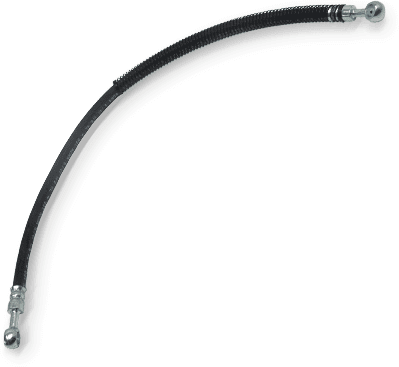

Similar search terms for SWGAutomotive-88940080075-Brake-lines
Top-Angebote
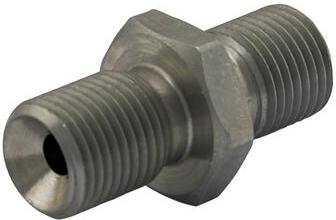
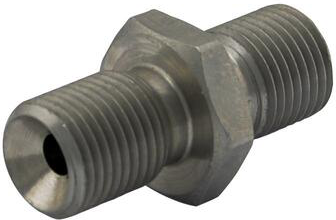
Products related to SWGAutomotive-88940080075-Brake-lines:


-
Should one continue driving despite worn brake pads and brake discs?
No, it is not safe to continue driving with worn brake pads and brake discs. Worn brake pads and discs can reduce the effectiveness of the braking system, leading to longer stopping distances and potentially causing a dangerous situation on the road. It is important to replace worn brake pads and discs promptly to ensure the safety of yourself and others on the road. **
-
Does a TÜV inspector also check brake pads and brake discs?
Yes, a TÜV inspector does check brake pads and brake discs during a vehicle inspection. The inspector will visually inspect the brake pads and discs for wear and damage, and may also measure the thickness of the brake pads and the condition of the brake discs. This is an important part of the inspection to ensure that the vehicle's braking system is in good working condition and meets safety standards. If any issues are found with the brake pads or discs, the inspector will advise the vehicle owner to have them replaced. **
-
Do the brake discs and brake pads need to be replaced?
The need to replace brake discs and brake pads depends on their condition. If the brake pads are worn down to a thickness of 3mm or less, or if the brake discs are warped, scored, or have a thickness below the manufacturer's recommended minimum, then they should be replaced. Additionally, if there are any signs of brake pulsation, squealing, or grinding, it may indicate the need for replacement. It is important to have a professional mechanic inspect the brakes to determine if replacement is necessary for safe and efficient braking. **
-
Is it allowed to preserve brake lines with grease?
It is not recommended to preserve brake lines with grease. Grease can attract dirt and debris, potentially causing damage to the brake system. It can also affect the performance of the brakes by reducing friction between the brake pads and rotors. It is best to use brake line-specific lubricants or follow the manufacturer's recommendations for preserving brake lines. **
What is the difference between brake pads and brake discs from different manufacturers?
The main difference between brake pads and brake discs from different manufacturers lies in the materials and manufacturing processes used. Different manufacturers may use different types of friction materials for brake pads, which can affect their performance, durability, and noise levels. Similarly, brake discs from different manufacturers may be made of different materials, such as cast iron, composite materials, or carbon-ceramic, which can impact their heat resistance, wear characteristics, and overall braking performance. Additionally, the manufacturing processes and quality control standards can vary between manufacturers, leading to differences in the overall quality and reliability of the brake pads and discs. **
Is it possible to use brake discs and brake pads from other manufacturers?
Yes, it is possible to use brake discs and brake pads from other manufacturers as long as they are compatible with the specific make and model of the vehicle. It is important to ensure that the dimensions, materials, and specifications of the brake components match the requirements of the vehicle. Using compatible aftermarket brake components can offer different performance characteristics and may be more cost-effective than original equipment manufacturer (OEM) parts. However, it is important to research and ensure that the aftermarket parts meet safety and quality standards. **
Top-Angebote
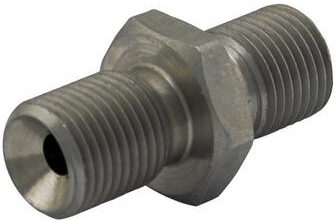
Products related to SWGAutomotive-88940080075-Brake-lines:
-
Are all brake lines superficially rusted?
No, not all brake lines are superficially rusted. The extent of rust on brake lines can vary depending on factors such as the age of the vehicle, the climate it is exposed to, and how well it has been maintained. It is important to regularly inspect brake lines for any signs of rust or corrosion, as this can compromise the integrity of the brake system and lead to potential safety hazards. **
-
What is the advantage of steel braided brake lines on motorcycles compared to regular brake lines?
Steel braided brake lines offer several advantages over regular brake lines on motorcycles. They provide increased durability and resistance to wear and tear, which can result in a longer lifespan and reduced maintenance costs. Additionally, steel braided brake lines offer improved brake feel and responsiveness, allowing for better control and modulation of braking power. They also have a higher tolerance for heat and pressure, making them less likely to expand under heavy braking, resulting in consistent performance. **
-
Should one continue driving despite worn brake pads and brake discs?
No, it is not safe to continue driving with worn brake pads and brake discs. Worn brake pads and discs can reduce the effectiveness of the braking system, leading to longer stopping distances and potentially causing a dangerous situation on the road. It is important to replace worn brake pads and discs promptly to ensure the safety of yourself and others on the road. **
-
Does a TÜV inspector also check brake pads and brake discs?
Yes, a TÜV inspector does check brake pads and brake discs during a vehicle inspection. The inspector will visually inspect the brake pads and discs for wear and damage, and may also measure the thickness of the brake pads and the condition of the brake discs. This is an important part of the inspection to ensure that the vehicle's braking system is in good working condition and meets safety standards. If any issues are found with the brake pads or discs, the inspector will advise the vehicle owner to have them replaced. **
Similar search terms for SWGAutomotive-88940080075-Brake-lines
-
Do the brake discs and brake pads need to be replaced?
The need to replace brake discs and brake pads depends on their condition. If the brake pads are worn down to a thickness of 3mm or less, or if the brake discs are warped, scored, or have a thickness below the manufacturer's recommended minimum, then they should be replaced. Additionally, if there are any signs of brake pulsation, squealing, or grinding, it may indicate the need for replacement. It is important to have a professional mechanic inspect the brakes to determine if replacement is necessary for safe and efficient braking. **
-
Is it allowed to preserve brake lines with grease?
It is not recommended to preserve brake lines with grease. Grease can attract dirt and debris, potentially causing damage to the brake system. It can also affect the performance of the brakes by reducing friction between the brake pads and rotors. It is best to use brake line-specific lubricants or follow the manufacturer's recommendations for preserving brake lines. **
-
What is the difference between brake pads and brake discs from different manufacturers?
The main difference between brake pads and brake discs from different manufacturers lies in the materials and manufacturing processes used. Different manufacturers may use different types of friction materials for brake pads, which can affect their performance, durability, and noise levels. Similarly, brake discs from different manufacturers may be made of different materials, such as cast iron, composite materials, or carbon-ceramic, which can impact their heat resistance, wear characteristics, and overall braking performance. Additionally, the manufacturing processes and quality control standards can vary between manufacturers, leading to differences in the overall quality and reliability of the brake pads and discs. **
-
Is it possible to use brake discs and brake pads from other manufacturers?
Yes, it is possible to use brake discs and brake pads from other manufacturers as long as they are compatible with the specific make and model of the vehicle. It is important to ensure that the dimensions, materials, and specifications of the brake components match the requirements of the vehicle. Using compatible aftermarket brake components can offer different performance characteristics and may be more cost-effective than original equipment manufacturer (OEM) parts. However, it is important to research and ensure that the aftermarket parts meet safety and quality standards. **
* All prices are inclusive of VAT and, if applicable, plus shipping costs. The offer information is based on the details provided by the respective shop and is updated through automated processes. Real-time updates do not occur, so deviations can occur in individual cases. ** Note: Parts of this content were created by AI.