Buy bremsen.eu ?
We are moving the project
bremsen.eu .
Are you interested in purchasing the domain
bremsen.eu ?
domain@kv-gmbh.de · 0541-91531010
Buy bremsen.eu ?
What are sensory cells, sensory organs, and senses?
Sensory cells are specialized cells that detect and respond to specific stimuli, such as light, sound, touch, taste, and smell. These cells are found in sensory organs, which are structures in the body that contain sensory cells and are responsible for detecting and transmitting sensory information to the brain. The senses, on the other hand, are the physiological capacities of organisms that provide data for perception. They include sight, hearing, touch, taste, and smell, and are essential for experiencing and interacting with the environment. **
What is the difference between a primary sensory cell, a secondary sensory cell, and a sensory nerve cell?
Primary sensory cells are specialized cells that directly detect stimuli from the environment, such as light, sound, or touch. Secondary sensory cells receive signals from primary sensory cells and transmit them to the central nervous system. Sensory nerve cells, also known as sensory neurons, are responsible for transmitting the signals from secondary sensory cells to the brain, where they are processed and interpreted. In summary, primary sensory cells detect stimuli, secondary sensory cells relay the signals, and sensory nerve cells transmit the signals to the brain for processing. **


Similar search terms for Sensory
Top-Angebote
Products related to Sensory:
-
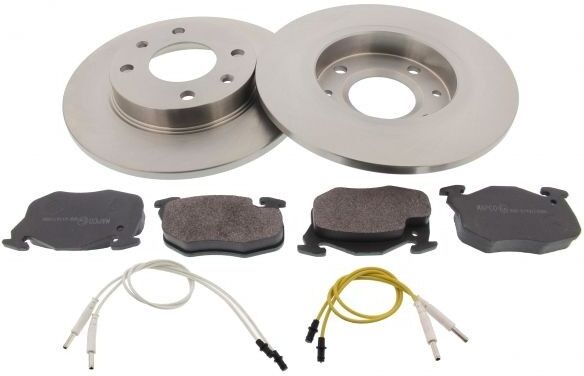
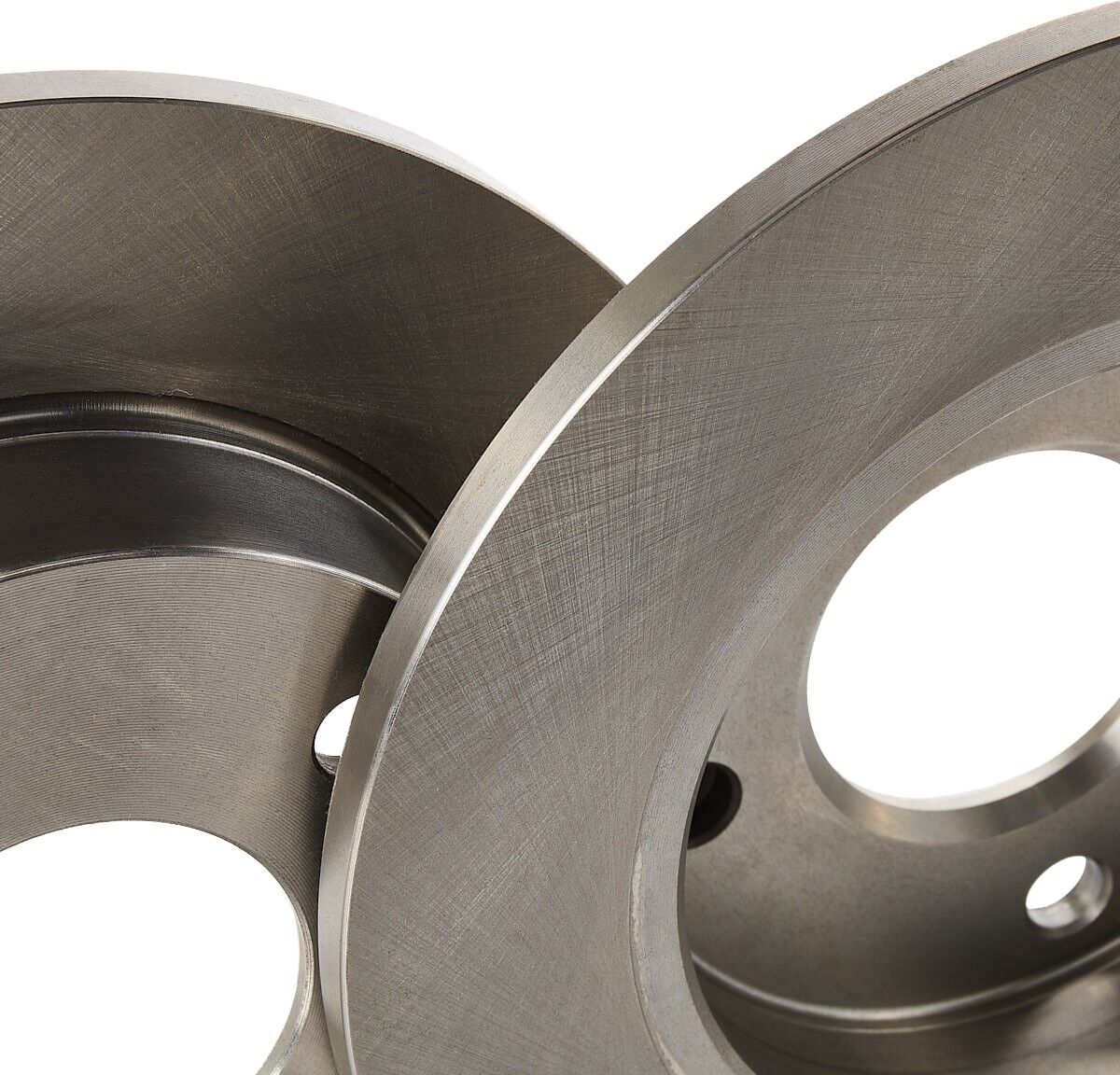
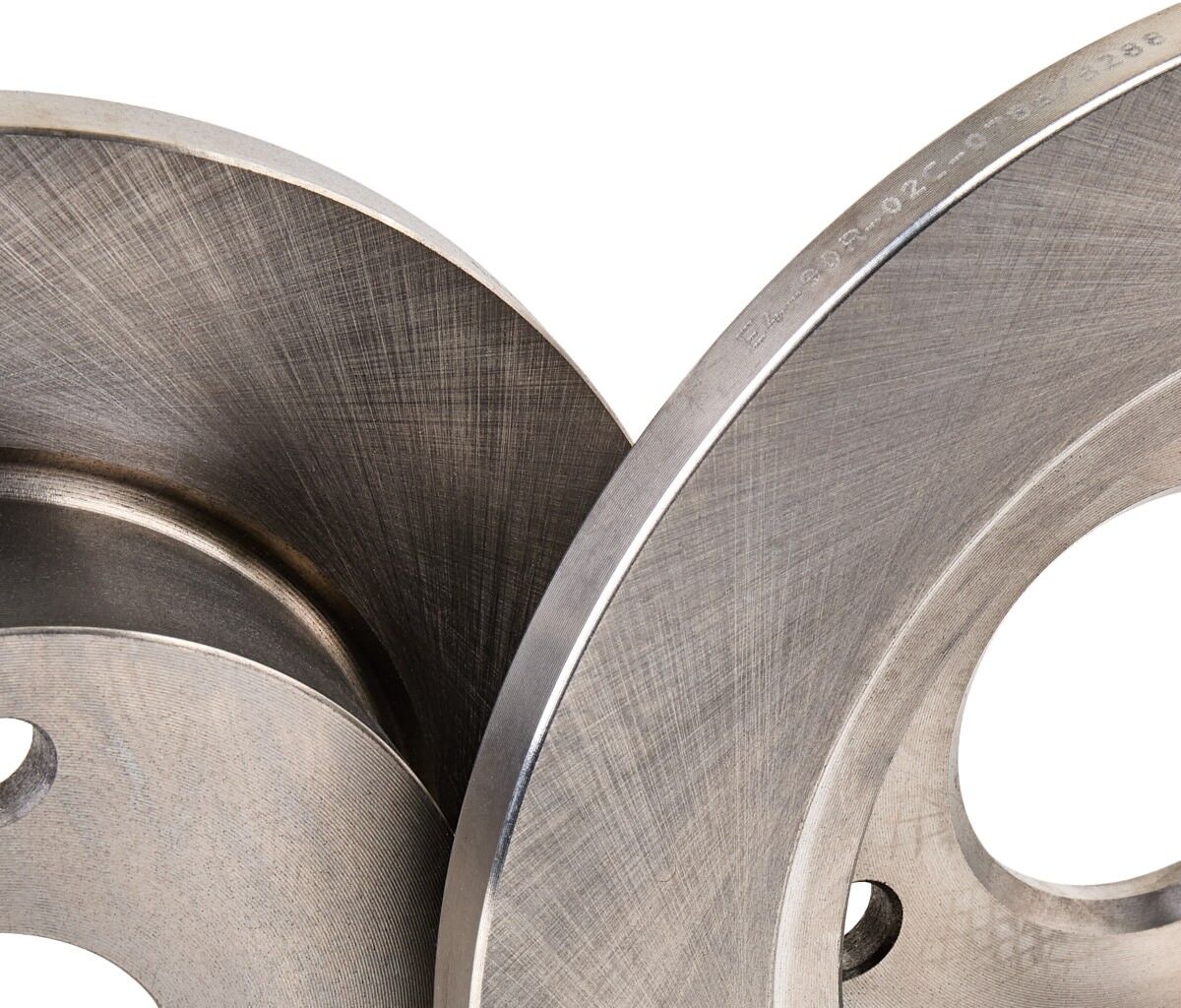
MAPCO 47350 Brake discs and pads setFitting Position: Front Axle; Brake System: BENDIX; Brake Disc Type: solid; Brake Disc Thickness: 10; Outer Diameter [mm]: 247; Wear Warning Contact: incl. wear warning contact; Number of Holes: 4; Multi-piece: Multi-piece; Quantity Unit: Kit; Construction Year from: 08/1990, 08/1987; Construction Year to: 07/1987, 06/1994, 05/1997, 07/1990, 06/1996, 06/2003, 10/1999; Vehicle type: 20D, 1ACDYD/1ACDZD; Braking/Driving Dynamics: for vehicles with ABS45,99 £*Shipping: 8,45 £Secure redirect to the provider
-
MAPCO 47651 Brake discs and pads setFitting Position: Front Axle; Brake System: ATE; Brake Disc Type: solid; Number of Holes: 4; Bolt Hole Circle Ø [mm]: 108; Quantity Unit: Set; Multi-piece: Multi-piece; Brake Disc Thickness: 10; Outer Diameter [mm]: 239; Construction Year from: 05/1989, 01/1991; Braking/Driving Dynamics: for vehicles without SCS41,99 £*Shipping: 8,45 £Secure redirect to the provider
-
MAPCO 47653 Brake discs and pads setFitting Position: Front Axle; Quantity Unit: Set; Multi-piece: Multi-piece; Brake System: ATE; Wear Warning Contact: excl. wear warning contact; Brake Disc Type: solid; Number of Holes: 4; Bolt Hole Circle Ø [mm]: 108; Outer Diameter [mm]: 240; Brake Disc Thickness: 12; Construction Year from: 01/1996, 11/1996; Construction Year to: 01/2000, 02/2000; Transmission Type: Manual Transmission49,49 £*Shipping: 8,45 £Secure redirect to the provider
-
MAPCO 47655 Brake discs and pads setFitting Position: Front Axle; Brake System: ATE; Wear Warning Contact: excl. wear warning contact; Brake Disc Type: Vented; Outer Diameter [mm]: 258; Brake Disc Thickness: 22; Number of Holes: 4; Quantity Unit: Set; Multi-piece: Multi-piece; Construction Year to: 09/200452,99 £*Shipping: 8,45 £Secure redirect to the provider

-
Should one continue driving despite worn brake pads and brake discs?
No, it is not safe to continue driving with worn brake pads and brake discs. Worn brake pads and discs can reduce the effectiveness of the braking system, leading to longer stopping distances and potentially causing a dangerous situation on the road. It is important to replace worn brake pads and discs promptly to ensure the safety of yourself and others on the road. **
-
Does a TÜV inspector also check brake pads and brake discs?
Yes, a TÜV inspector does check brake pads and brake discs during a vehicle inspection. The inspector will visually inspect the brake pads and discs for wear and damage, and may also measure the thickness of the brake pads and the condition of the brake discs. This is an important part of the inspection to ensure that the vehicle's braking system is in good working condition and meets safety standards. If any issues are found with the brake pads or discs, the inspector will advise the vehicle owner to have them replaced. **
-
Do the brake discs and brake pads need to be replaced?
The need to replace brake discs and brake pads depends on their condition. If the brake pads are worn down to a thickness of 3mm or less, or if the brake discs are warped, scored, or have a thickness below the manufacturer's recommended minimum, then they should be replaced. Additionally, if there are any signs of brake pulsation, squealing, or grinding, it may indicate the need for replacement. It is important to have a professional mechanic inspect the brakes to determine if replacement is necessary for safe and efficient braking. **
-
Are receptors sensory cells?
Receptors are not sensory cells themselves, but they are specialized proteins located on the surface of sensory cells. These receptors are responsible for detecting and responding to specific stimuli, such as light, sound, taste, or smell. When a receptor is activated by a stimulus, it triggers a series of biochemical reactions within the sensory cell, ultimately leading to the generation of a sensory signal that can be transmitted to the brain for processing. Therefore, while receptors are not sensory cells, they play a crucial role in the sensory process by detecting and transducing stimuli into neural signals. **

What is sensory perception?
Sensory perception refers to the process of receiving and interpreting information from the environment through the senses. This includes the five main senses of sight, hearing, touch, taste, and smell, as well as other sensory experiences such as balance, proprioception, and temperature. The brain then processes this sensory information to create a perception of the world around us, allowing us to interact with and understand our surroundings. Sensory perception is essential for everyday functioning and plays a crucial role in how we experience and navigate the world. **
What are artificial sensory organs?
Artificial sensory organs are devices designed to mimic the functions of natural sensory organs, such as the eyes, ears, and skin. These devices use advanced technology to detect and process sensory information, allowing individuals to perceive and interact with their environment in a way that is similar to natural sensory organs. Artificial sensory organs have the potential to enhance or restore sensory capabilities for individuals with disabilities, as well as to provide new sensory experiences for people without impairments. These technologies have the potential to revolutionize healthcare and human-computer interaction. **
Top-Angebote
Products related to Sensory:
-
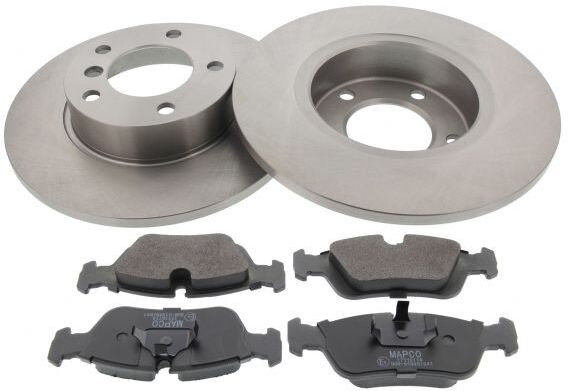
MAPCO 47152 Brake discs and pads setFitting Position: Front Axle; Brake System: LUCAS; Brake Disc Type: solid; Brake Disc Thickness: 12; Outer Diameter [mm]: 238; Number of Holes: 4; Bolt Hole Circle Ø [mm]: 100; Wear Warning Contact: incl. wear warning contact; Multi-piece: Multi-piece; Quantity Unit: Set; Construction Year from: 01/1985, 01/1987, 10/1986, 01/1982, 01/1983, 01/1984, 01/1986, 10/1991, 05/1992, 09/1990, 06/1988, 09/1991, 06/1987, 10/1992, 09/1994, 09/1998, 09/1988, 06/1989; Vehicle Identification Number (VIN) from: 0084201; Construction Year to: 06/1987, 12/1986, 12/1994, 06/1990, 01/1994, 03/1996, 10/1997, 08/2000, 05/2001, 12/1992, 08/1990, 10/1986, 06/2005; Braking/Driving Dynamics: for vehicles with ABS, for vehicles without ABS; Transmission Type: Fully Automatic, Automatic Transmission, Manual Transmission; Vehicle Equipment: for vehicles without air conditioning40,49 £*Shipping: 8,45 £Secure redirect to the provider
-
MAPCO 47156 Brake discs and pads setFitting Position: Front Axle; Brake System: BOSCH; Brake Disc Type: Vented; Number of Holes: 4; Brake Disc Thickness: 20,7; Outer Diameter [mm]: 259; Wear Warning Contact: incl. wear warning contact; Multi-piece: Multi-piece; Quantity Unit: Set; Braking/Driving Dynamics: for vehicles with ABS; Construction Year to: 12/2007; Suspension: for vehicles with heavy duty suspension; Drive Type: Front-Wheel Drive51,99 £*Shipping: 8,45 £Secure redirect to the provider
-
MAPCO 47350 Brake discs and pads setFitting Position: Front Axle; Brake System: BENDIX; Brake Disc Type: solid; Brake Disc Thickness: 10; Outer Diameter [mm]: 247; Wear Warning Contact: incl. wear warning contact; Number of Holes: 4; Multi-piece: Multi-piece; Quantity Unit: Kit; Construction Year from: 08/1990, 08/1987; Construction Year to: 07/1987, 06/1994, 05/1997, 07/1990, 06/1996, 06/2003, 10/1999; Vehicle type: 20D, 1ACDYD/1ACDZD; Braking/Driving Dynamics: for vehicles with ABS45,99 £*Shipping: 8,45 £Secure redirect to the provider
-
MAPCO 47651 Brake discs and pads setFitting Position: Front Axle; Brake System: ATE; Brake Disc Type: solid; Number of Holes: 4; Bolt Hole Circle Ø [mm]: 108; Quantity Unit: Set; Multi-piece: Multi-piece; Brake Disc Thickness: 10; Outer Diameter [mm]: 239; Construction Year from: 05/1989, 01/1991; Braking/Driving Dynamics: for vehicles without SCS41,99 £*Shipping: 8,45 £Secure redirect to the provider
-
What are sensory cells, sensory organs, and senses?
Sensory cells are specialized cells that detect and respond to specific stimuli, such as light, sound, touch, taste, and smell. These cells are found in sensory organs, which are structures in the body that contain sensory cells and are responsible for detecting and transmitting sensory information to the brain. The senses, on the other hand, are the physiological capacities of organisms that provide data for perception. They include sight, hearing, touch, taste, and smell, and are essential for experiencing and interacting with the environment. **
-
What is the difference between a primary sensory cell, a secondary sensory cell, and a sensory nerve cell?
Primary sensory cells are specialized cells that directly detect stimuli from the environment, such as light, sound, or touch. Secondary sensory cells receive signals from primary sensory cells and transmit them to the central nervous system. Sensory nerve cells, also known as sensory neurons, are responsible for transmitting the signals from secondary sensory cells to the brain, where they are processed and interpreted. In summary, primary sensory cells detect stimuli, secondary sensory cells relay the signals, and sensory nerve cells transmit the signals to the brain for processing. **
-
Should one continue driving despite worn brake pads and brake discs?
No, it is not safe to continue driving with worn brake pads and brake discs. Worn brake pads and discs can reduce the effectiveness of the braking system, leading to longer stopping distances and potentially causing a dangerous situation on the road. It is important to replace worn brake pads and discs promptly to ensure the safety of yourself and others on the road. **
-
Does a TÜV inspector also check brake pads and brake discs?
Yes, a TÜV inspector does check brake pads and brake discs during a vehicle inspection. The inspector will visually inspect the brake pads and discs for wear and damage, and may also measure the thickness of the brake pads and the condition of the brake discs. This is an important part of the inspection to ensure that the vehicle's braking system is in good working condition and meets safety standards. If any issues are found with the brake pads or discs, the inspector will advise the vehicle owner to have them replaced. **
Similar search terms for Sensory
-
MAPCO 47653 Brake discs and pads setFitting Position: Front Axle; Quantity Unit: Set; Multi-piece: Multi-piece; Brake System: ATE; Wear Warning Contact: excl. wear warning contact; Brake Disc Type: solid; Number of Holes: 4; Bolt Hole Circle Ø [mm]: 108; Outer Diameter [mm]: 240; Brake Disc Thickness: 12; Construction Year from: 01/1996, 11/1996; Construction Year to: 01/2000, 02/2000; Transmission Type: Manual Transmission49,49 £*Shipping: 8,45 £Secure redirect to the provider
-
MAPCO 47655 Brake discs and pads setFitting Position: Front Axle; Brake System: ATE; Wear Warning Contact: excl. wear warning contact; Brake Disc Type: Vented; Outer Diameter [mm]: 258; Brake Disc Thickness: 22; Number of Holes: 4; Quantity Unit: Set; Multi-piece: Multi-piece; Construction Year to: 09/200452,99 £*Shipping: 8,45 £Secure redirect to the provider
-
MAPCO 47880 Brake discs and pads setFitting Position: Front Axle; Brake System: ATE; Wear Warning Contact: excl. wear warning contact; Brake Disc Type: solid; Number of Holes: 5; Bolt Hole Circle Ø [mm]: 120; Outer Diameter [mm]: 286; Brake Disc Thickness: 12; Quantity Unit: Set; Multi-piece: Multi-piece; Special Purpose Vehicle: not for government vehicles; Construction Year to: 03/1998; Construction Year from: 05/199765,49 £*Shipping: 8,45 £Secure redirect to the provider
-
MAPCO 47451 Brake discs and pads setFitting Position: Front Axle; Brake System: LUCAS; Brake Disc Type: Vented; Brake Disc Thickness: 20,5; Outer Diameter [mm]: 266; Number of Holes: 4; Bolt Hole Circle Ø [mm]: 108; Wear Warning Contact: incl. wear warning contact; Quantity Unit: Set; Multi-piece: Multi-piece; Vehicle Identification Number (VIN) to: 08735; Braking/Driving Dynamics: for vehicles with ABS; Construction Year to: 10/2000; Vehicle Identification Number (VIN) from: 0857654,49 £*Shipping: 8,45 £Secure redirect to the provider
-
Do the brake discs and brake pads need to be replaced?
The need to replace brake discs and brake pads depends on their condition. If the brake pads are worn down to a thickness of 3mm or less, or if the brake discs are warped, scored, or have a thickness below the manufacturer's recommended minimum, then they should be replaced. Additionally, if there are any signs of brake pulsation, squealing, or grinding, it may indicate the need for replacement. It is important to have a professional mechanic inspect the brakes to determine if replacement is necessary for safe and efficient braking. **
-
Are receptors sensory cells?
Receptors are not sensory cells themselves, but they are specialized proteins located on the surface of sensory cells. These receptors are responsible for detecting and responding to specific stimuli, such as light, sound, taste, or smell. When a receptor is activated by a stimulus, it triggers a series of biochemical reactions within the sensory cell, ultimately leading to the generation of a sensory signal that can be transmitted to the brain for processing. Therefore, while receptors are not sensory cells, they play a crucial role in the sensory process by detecting and transducing stimuli into neural signals. **
-
What is sensory perception?
Sensory perception refers to the process of receiving and interpreting information from the environment through the senses. This includes the five main senses of sight, hearing, touch, taste, and smell, as well as other sensory experiences such as balance, proprioception, and temperature. The brain then processes this sensory information to create a perception of the world around us, allowing us to interact with and understand our surroundings. Sensory perception is essential for everyday functioning and plays a crucial role in how we experience and navigate the world. **
-
What are artificial sensory organs?
Artificial sensory organs are devices designed to mimic the functions of natural sensory organs, such as the eyes, ears, and skin. These devices use advanced technology to detect and process sensory information, allowing individuals to perceive and interact with their environment in a way that is similar to natural sensory organs. Artificial sensory organs have the potential to enhance or restore sensory capabilities for individuals with disabilities, as well as to provide new sensory experiences for people without impairments. These technologies have the potential to revolutionize healthcare and human-computer interaction. **
* All prices are inclusive of VAT and, if applicable, plus shipping costs. The offer information is based on the details provided by the respective shop and is updated through automated processes. Real-time updates do not occur, so deviations can occur in individual cases. ** Note: Parts of this content were created by AI.